
Digital transformation has become a major priority for businesses across industries. As technology continues to evolve rapidly, many organizations invest in digital tools, automation, Artificial Intelligence (AI), and cloud-based platforms to improve efficiency and stay competitive. However, successful digital transformation is not only about adopting new technology — it is about transforming the way businesses operate, collaborate, and deliver value to customers.
Many companies assume that implementing modern technology automatically leads to successful transformation. In reality, technology is only one part of the process. Without clear business strategies, strong leadership, and a customer-focused mindset, digital transformation initiatives often fail to deliver long-term results.
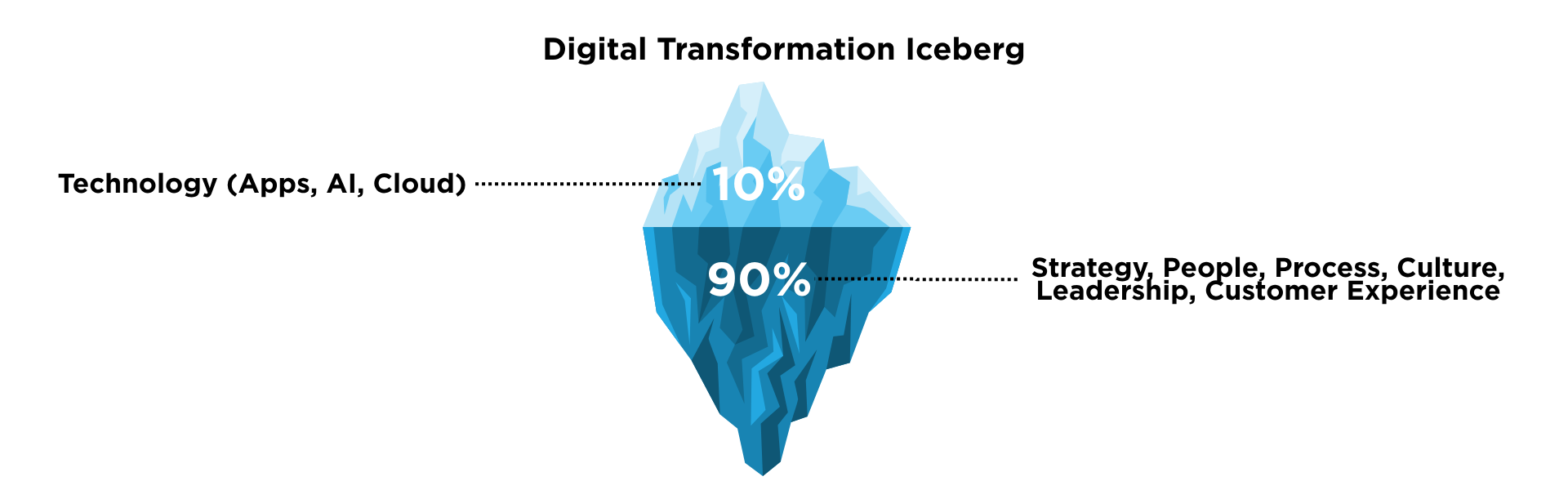
At its core, digital transformation is about improving business processes, enhancing customer experiences, and building organizational agility. Companies need to rethink how teams work, how decisions are made, and how customer interactions are managed. This is why digital transformation requires alignment between people, processes, and technology.
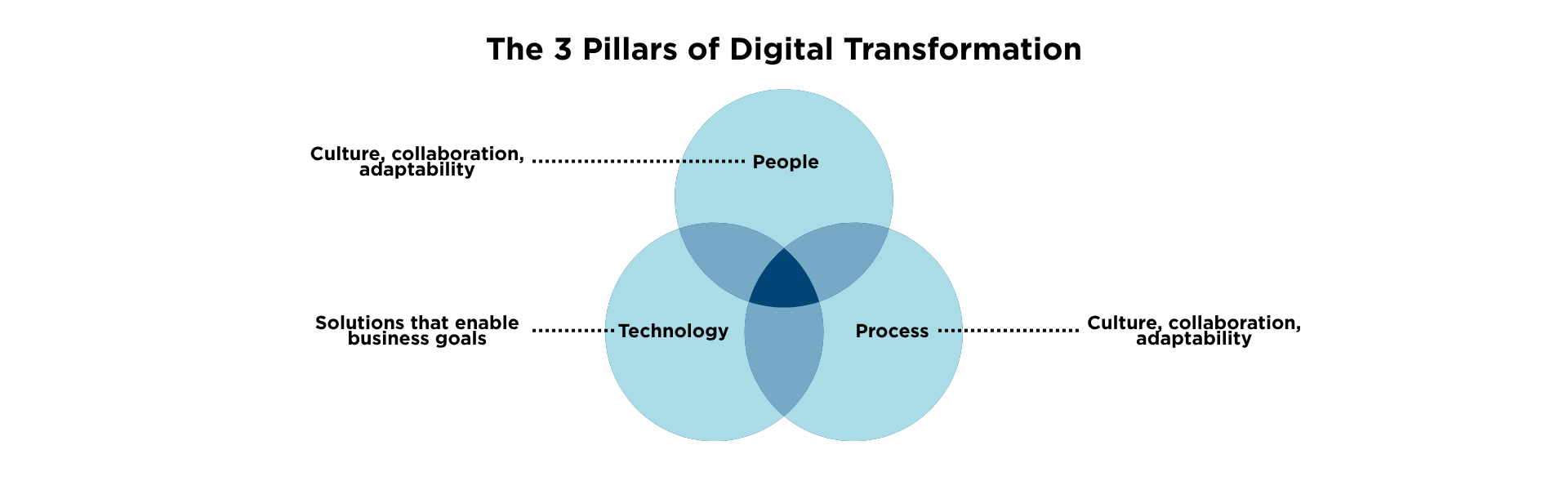
One of the most important factors in digital transformation is company culture. Employees must be ready to adapt to new ways of working and embrace continuous innovation. Organizations that encourage collaboration, learning, and adaptability are more likely to succeed in digital transformation initiatives. Strong leadership also plays a critical role in guiding teams through change and ensuring that transformation goals align with business objectives.
Customer experience is another key driver of digital transformation. Modern customers expect fast, personalized, and seamless interactions across multiple channels. Businesses that prioritize customer-centric strategies can use digital solutions to improve engagement, optimize communication, and create more meaningful customer experiences.
In addition, digital transformation helps organizations improve operational efficiency by automating repetitive tasks, streamlining workflows, and enabling data-driven decision-making. Integrated technologies such as CRM systems, analytics platforms, and Business Process Management (BPM) solutions allow businesses to work more efficiently and respond faster to market changes.
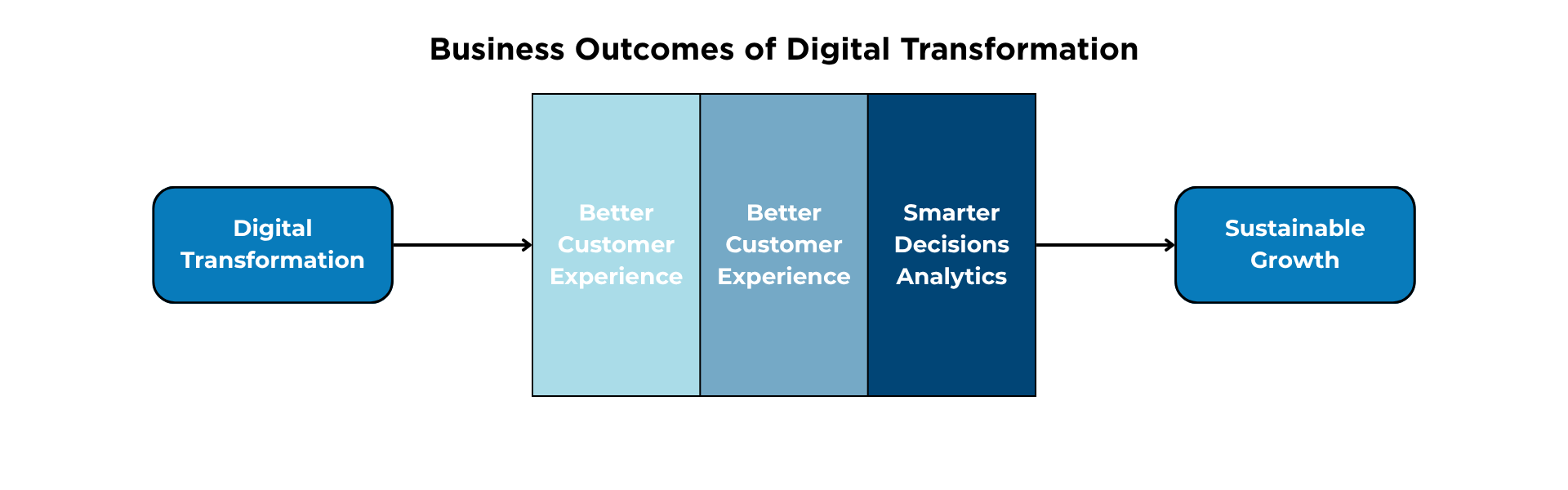
However, successful transformation requires a long-term vision. Digital transformation is not a one-time project or simply a technology upgrade. It is an ongoing process of innovation, optimization, and adaptation. Companies that focus only on technology implementation without improving internal processes and organizational readiness may struggle to achieve sustainable growth.
As businesses continue navigating an increasingly digital economy, organizations that successfully combine technology, strategy, and human collaboration will gain stronger competitive advantages. Digital transformation is ultimately about creating smarter, more agile, and customer-focused businesses that are prepared for future challenges.
Talk to Transformation Experts
Ready to accelerate your digital transformation journey? Talk to transformation experts at iSystem Asia and discover how digital solutions, automation, CRM, and BPM strategies can help your organization drive innovation, improve efficiency, and achieve sustainable business growth.